
Taste the Game: A Deep Dive into Candy Crush Saga’s Groundbreaking Thundercat Collaboration and Sensory Marketing Push










Popular Now
 R.E.P.O
 FIFA 23
 Candy Crush Saga
 Free Fire
 Rust
Rust
 PUBG Mobile
 CarX Street
 The Legend of Zelda
 Grand Theft Auto VI
 Schedule I
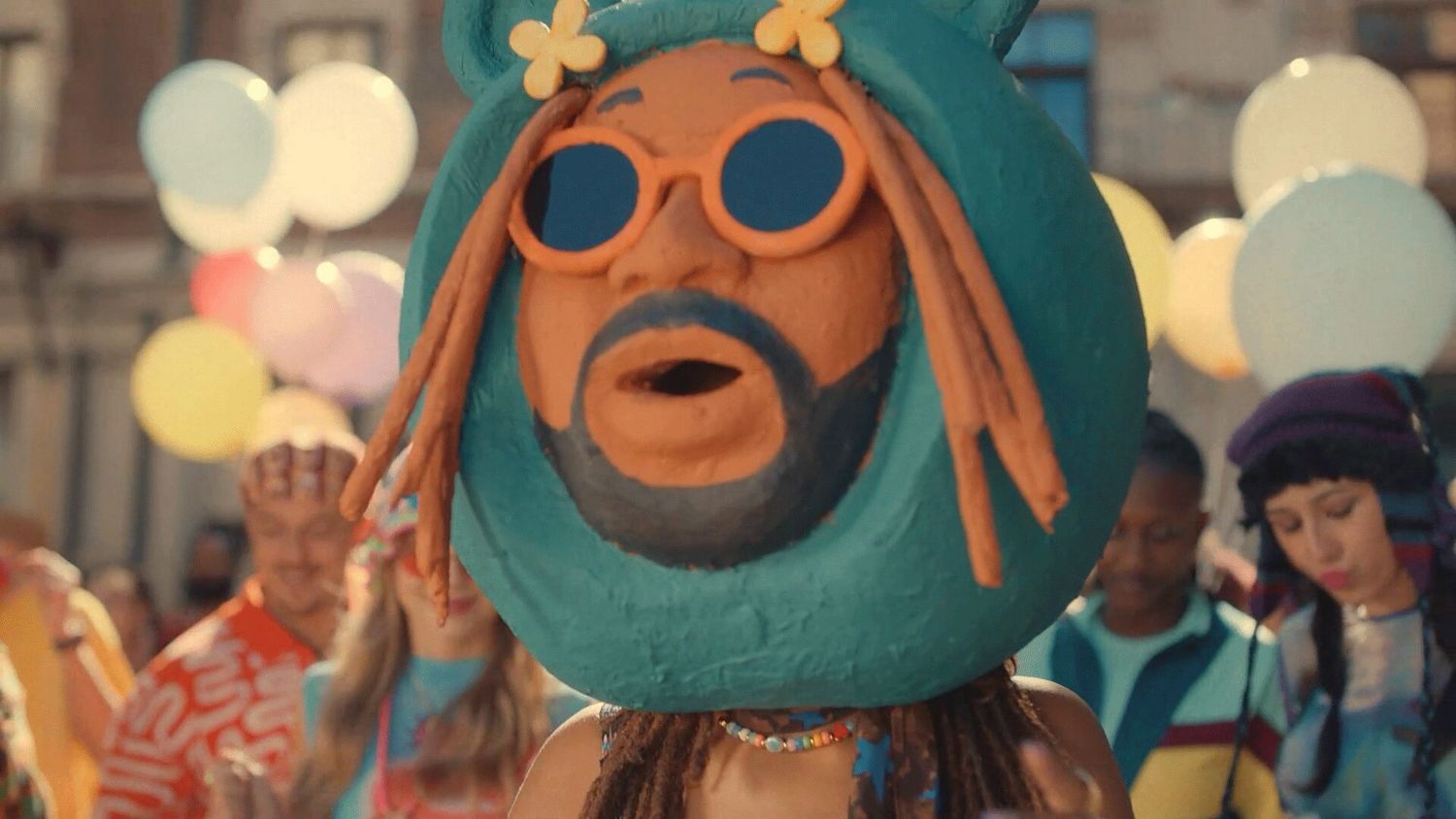 In an audacious move that transcends traditional mobile gaming marketing, King’s venerable Candy Crush Saga, a colossal force in the casual gaming landscape, has announced a landmark partnership with the critically acclaimed, Grammy-winning artist Thundercat. This unexpected yet strategically brilliant collaboration culminates in the creation of a physical, tasteable lollipop designed to bring the vibrant, sugary world of Candy Crush directly into the consumer’s sensory experience. This isn’t merely a promotional gimmick; it represents a significant review of how established digital IPs can innovate their brand engagement, pushing the boundaries of experiential marketing and setting a new precedent for player immersion beyond the screen.
For over a decade, Candy Crush Saga has captivated hundreds of millions globally, establishing itself not just as a game but as a cultural phenomenon. Its intuitive match-three mechanics, coupled with a constant stream of new levels and challenges, have fostered remarkable player retention and a fiercely loyal community. However, in an increasingly saturated market, even giants must evolve. This partnership with Thundercat, an artist celebrated for his eclectic style, genre-bending music, and distinctive visual aesthetic, offers Candy Crush Saga a unique avenue for market differentiation and a fresh narrative. It’s a review of their commitment to staying relevant and exciting, even for a game that many might consider a ‘solved’ success.
The Strategic Play: Why Thundercat?
The choice of Thundercat for such a pivotal collaboration is a masterstroke in cross-promotional synergy. Stephen Bruner, known professionally as Thundercat, possesses a fanbase that, while perhaps not directly overlapping with the core Candy Crush demographic, embodies an appreciation for creativity, distinctiveness, and a playful yet sophisticated approach to art. His personal brand resonates with a certain whimsicality and boldness that, when paired with Candy Crush’s established visual identity, creates an intriguing juxtaposition. This strategic alliance allows Candy Crush to tap into new cultural zeitgeists and demographics, expanding its reach beyond typical gaming channels. It’s a keen observation of how modern brand partnerships are less about direct demographic alignment and more about shared values of innovation and unique consumer experiences. The move solidifies Candy Crush’s position not just as a game, but as a lifestyle brand capable of unexpected and delightful ventures.
Furthermore, Thundercat’s artistic ventures often feature elements of the surreal and the fantastical, aligning surprisingly well with Candy Crush’s vibrant, candy-coated universe. His music, often described as futuristic soul, jazz fusion, and R&B, evokes a rich tapestry of sounds and emotions. Translating this artistic ethos into a physical, tasteable product presents a fascinating challenge and opportunity for both parties, moving the concept beyond a simple merchandise drop to a truly integrated experience. This is a crucial element to review; the partnership feels authentic rather than forced, suggesting a deeper strategic thought process behind the collaboration.
Unpacking the ‘Tasteable Lollipop’: A Sensory Game-Changer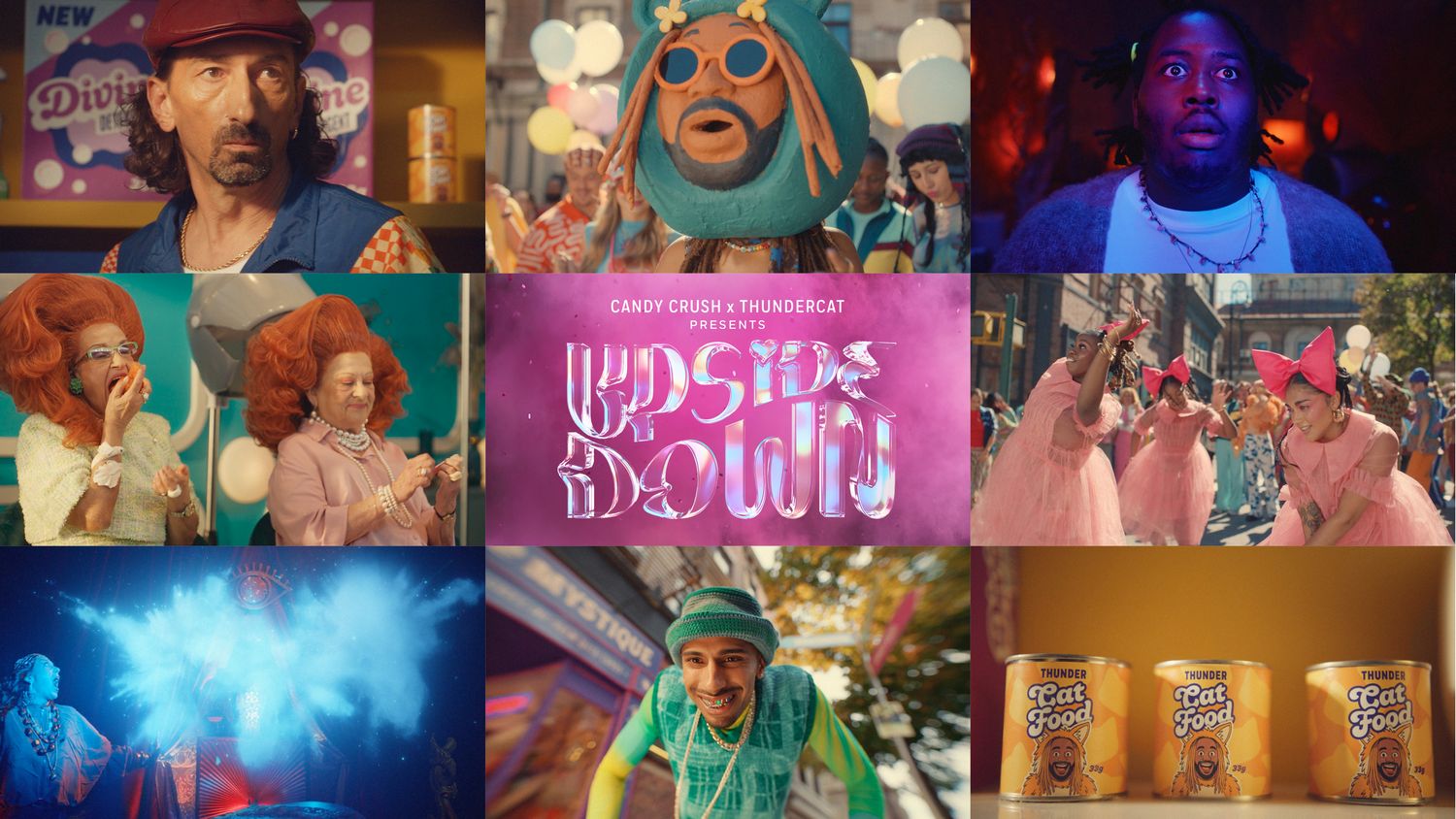
The centerpiece of this collaboration is, without doubt, the innovative tasteable lollipop. While the exact scientific and culinary intricacies remain under wraps, the concept itself is revolutionary. Imagine a confection designed not just for flavor, but to evoke the specific taste profiles associated with in-game power-ups or iconic candies from the Candy Crush Saga universe. This move signifies a bold leap into multi-sensory engagement, transforming passive consumption into an active, immersive experience. It’s a direct assault on the senses, designed to create a powerful, unforgettable connection between the digital game world and the physical reality of the player.
- Enhanced Immersion: For dedicated players, tasting an actual ‘striped candy’ or ‘color bomb’ flavor could dramatically deepen their connection to the game’s virtual elements, enhancing player immersion to an unprecedented degree.
- Novelty and Collectibility: As a limited edition, premium product, these lollipops are destined to become highly sought-after collector’s items, driving both initial sales and long-term brand buzz.
- Shareable Experience: The inherent novelty makes the lollipop a highly shareable experience, ripe for social media amplification and organic word-of-mouth marketing, generating significant earned media value.
- New Revenue Streams: Beyond direct sales, this venture opens up entirely new revenue streams and licensing opportunities for the Candy Crush IP, showcasing intelligent diversification strategies.
The ‘tasteable’ aspect pushes beyond traditional augmented reality (AR) or virtual reality (VR) experiences by directly engaging the palate. It’s an incredibly intelligent move in the realm of sensory marketing, which aims to create strong, memorable brand associations through taste, smell, touch, sight, and sound. By appealing to one of the most primal senses – taste – Candy Crush Saga creates a deeply personal and unforgettable interaction. This elevates the brand from a simple mobile game to a purveyor of comprehensive, multi-sensory entertainment experiences. We are reviewing not just a product, but a conceptual expansion of what a ‘game experience’ can encompass.
The Broader Implications for Mobile Gaming Innovation
This collaboration serves as a potent case study in mobile gaming innovation and forward-thinking brand partnerships. It signals a shift in how established digital intellectual properties can maintain their vibrancy and appeal in an ever-evolving media landscape. Rather than resting on its laurels, Candy Crush is actively crafting new ways for consumers to interact with its universe, proving that even a decade-old game can still lead the charge in marketing creativity.
The impact of this initiative could resonate widely across the industry:
- Inspiring Competitors: Other major mobile game developers and publishers will undoubtedly take note, potentially leading to a new wave of physical, sensory-driven product collaborations. This could usher in an exciting era of digital-to-physical convergence.
- Redefining Brand Engagement: The move challenges conventional notions of brand engagement, emphasizing that true connection can be forged through novel and unexpected avenues, particularly those that engage multiple senses. It’s a review of the efficacy of breaking out of digital confines.
- Attracting Non-Gamers: A unique product like a Thundercat-branded, tasteable Candy Crush lollipop could attract consumers who might not typically engage with mobile games, broadening the overall market reach.
- High-Value Consumer Retention: For existing players, this adds another layer of appreciation and novelty, reinforcing their long-term commitment to the Candy Crush brand and ecosystem. This is critical for driving long-term consumer retention.
In essence, Candy Crush Saga and Thundercat are not just creating a lollipop; they are crafting a new facet of the Candy Crush experience itself. They are reviewing the very definition of what it means to ‘play’ and ‘immerse oneself’ in a digital world. This move transforms passive playtime into an active, delectable engagement, firmly cementing Candy Crush’s status as a dynamic and perpetually evolving brand. This game-changing strategy, marrying a digital entertainment behemoth with a revered musical icon through a revolutionary physical product, positions Candy Crush Saga at the forefront of experiential marketing, offering a taste of the future of digital-to-physical brand interaction.