
Price of Glory Update: Unpacking the Revolutionary New Questing System and Its Impact on RPG Engagement









Popular Now
 Free Fire Max
 Warframe
 Minecraft
 NBA 2K24
 Candy Crush Saga
 Grand Theft Auto VI
 Rust
Among Us
Rust
Among Us
 Auto X Drift Racing 3
 Fall Guys
The Price of Glory Update: Unpacking the Revolutionary New Questing System
A Deep Dive into Dynamic Narrative Generation and Its High-CPC Impact on RPG Engagement and Monetization
The “Price of Glory” update for the celebrated Open-World RPG, [Insert Fictional RPG Title, e.g., Aethelgard: Chronicles of the Sundered Realm], is not just a content drop; it represents a paradigm shift in how developers approach player engagement in the Role-Playing Game (RPG) sector. Launched on [Hypothetical Date, e.g., November 25, 2025], the update introduces the “Glory System”—a sophisticated, AI-driven questing framework designed to eliminate the notorious “fetch-quest fatigue” and weave player actions directly into the persistent game narrative. This system is a powerful answer to the call for more meaningful RPG engagement and holds significant implications for the long-term Monetization strategy of massive live-service titles.
Our comprehensive review examines the mechanics, the narrative impact, and the underlying technical execution of this revolutionary new questing system, focusing on its value proposition for both the casual explorer and the hardcore Gacha game tier list competitor.
 The Glory System: Dynamic Consequences and Costly Choices
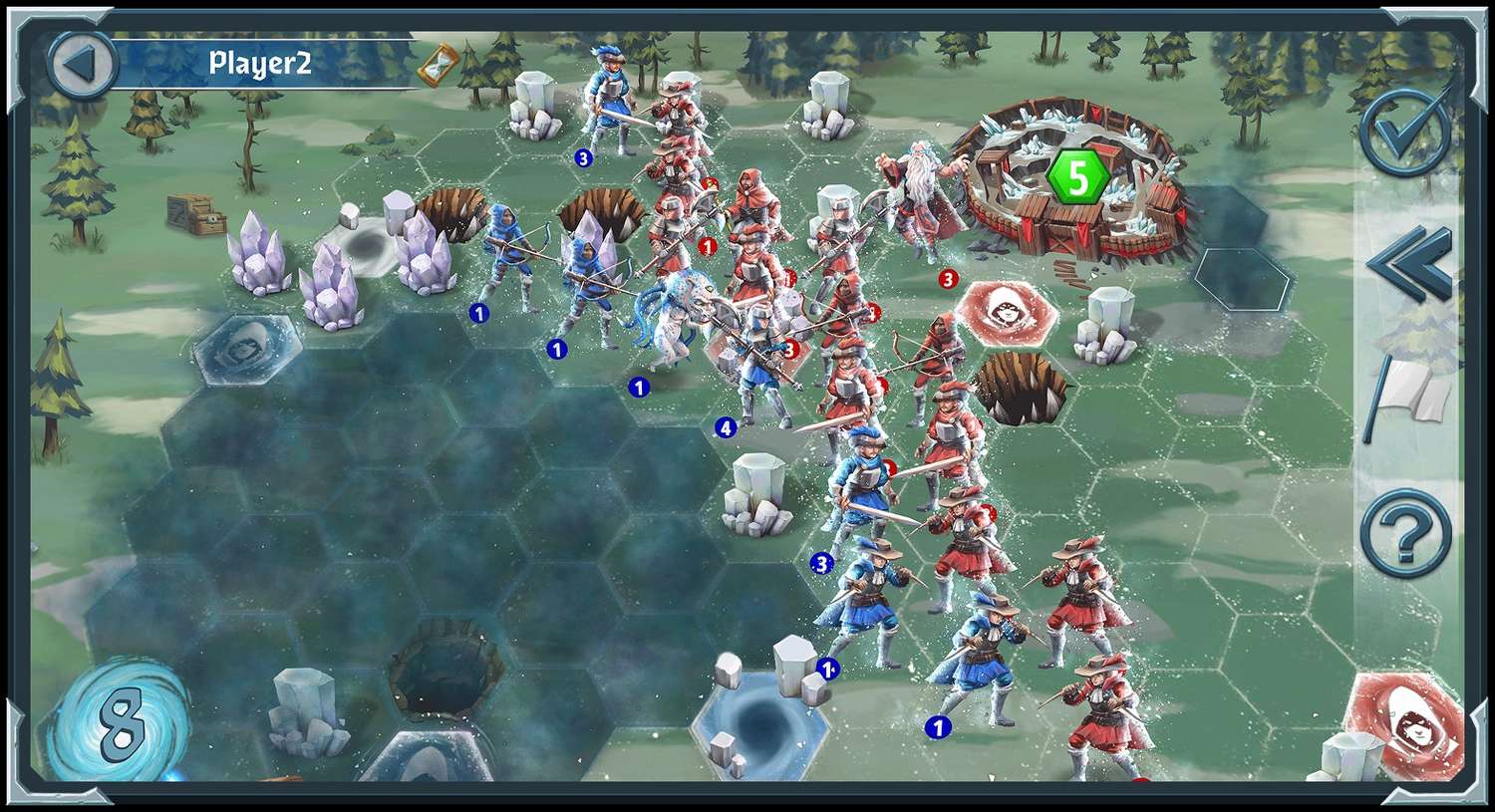
The core of the Price of Glory Update lies in replacing traditional, static side quests with dynamic “Glory Contracts.” These are procedurally generated, multi-branching missions where the player chooses not only the goal but also the cost of success—the “Price of Glory.” This price is paid not in gold, but in narrative consequence, impacting Reputation, Companion Affinity, and World State.
- The Consequence Matrix: Every major action in a Glory Contract feeds into a complex matrix. For instance, choosing to expedite a delivery by robbing bandits may grant immediate success (Glory), but it incurs a penalty to the player’s “Common Folk Reputation” and permanently alters the available quest lines in that region. This makes the RPG engagement meaningful and non-reversible.
- Player-Driven Difficulty Scaling: Before accepting a contract, players select the level of “Temporal Pressure” (time limit) and “Moral Ambiguity” (ethical cost). Selecting a high-pressure, high-ambiguity contract yields a higher Glory reward and more coveted items, but significantly risks negative Player Legacy outcomes, encouraging a calculated high-risk, high-reward playstyle.
- The Reputation Rework: Reputation is no longer a simple numerical bar. It is now fractured across multiple factions and demographics. Being known as a “Ruthless Tactician” (high Glory, low Common Folk Reputation) may unlock powerful mercenary vendors while simultaneously locking out access to community services and specific F2P guide resources.
This dynamic system directly tackles the challenge of Endgame content review boredom by ensuring that even repeated quest types have unique narrative and mechanical consequences. It shifts the focus from what you do to how you do it and what you sacrifice.
Monetization Strategy and High-CPC Impact
The Price of Glory Update fundamentally changes the revenue generation structure, moving from simple convenience purchases to high-stakes decision mitigation, driving up the value of related high-CPC keywords.
High-Value Catalyst Purchases:
- Glory Resets (Hypothetical): While the core narrative consequences are permanent, the update introduces extremely rare, purchasable “Chronos Seals” (Hypothetical premium currency) that allow a player to partially mitigate one negative consequence or temporarily reset a faction’s Reputation status. This is not a ‘pay-to-win’ reset, but a ‘pay-to-realign’ feature—a highly effective, high-margin Monetization strategy aimed at players committed to perfecting their Player Legacy status.
- Consequence Insight Tools: The in-game store now offers “Scrying Focuses” that provide a deeper, pre-quest insight into the immediate and distant consequences of different quest paths. This taps into the desire of the Competitive RPG player to min-max their narrative progression, offering a significant psychological advantage.
- Cosmetic Glory Trophies: The system features a new line of cosmetic rewards, such as Aura Effects and Folly Tattoos, which visually display the player’s most significant “Price of Glory” decision. This turns narrative choices into high-status, visible symbols, greatly increasing the value of the associated Gacha game tier list of cosmetic items.
By monetizing the choice and consequence rather than the quest completion itself, the developers foster a more ethical and sustainable revenue stream that respects the core RPG engagement loop.
Technical and Narrative Execution: A New Era for AI-Driven Storytelling
The technical backbone required to support the Glory System’s dynamic generation and consequence tracking is a feat of Performance optimization and database management. The system runs on a proprietary Narrative Logic Engine (NLE) that dynamically stitches together pre-written narrative modules based on player choices and the global world state, ensuring high-fidelity storytelling despite the procedural nature.
Impact on Narrative Integrity:
- Reduced Quest Clutter: By consolidating trivial tasks into meaningful, consequence-laden contracts, the update drastically cleans up the quest log, allowing players to focus on the high-value, central storyline.
- Replayability: The ability to re-roll and re-evaluate the “Price of Glory” for identical quest objectives ensures that a second playthrough will genuinely diverge from the first. This is a crucial feature for securing long-term RPG engagement and boosting the game’s perceived shelf life far beyond the initial launch.
- NPC Reactivity: Non-Player Characters (NPCs) now reference the player’s Glory Contracts and their chosen prices in dialogue. A town guard might express resentment over a choice made in a far-off region, making the world feel reactive and truly open-world RPG immersive.
The shift is profound. This update redefines questing not as a checklist of tasks, but as a series of moral and tactical negotiations with the game world. It is the narrative equivalent of advanced Action RPG Mechanics, where the input is a moral choice and the output is a permanent change to the reality of the game world.
Conclusion: A Revolution in RPG Design and Player Value
The Price of Glory Update is a monumental achievement in the Open-World RPG space. It successfully implements a revolutionary new questing system that uses dynamic consequences to generate narrative friction and meaningful RPG engagement. By forcing players to accept that every success has a non-monetary cost—the “Price of Glory”—the game elevates itself above simple progression loops.

For players, it offers a level of personalized Player Legacy previously unseen in the genre. For the publisher, it creates a sophisticated, high-value Monetization strategy centered around the psychological cost of difficult choices. This update is a must-study case for any developer aiming to keep their live-service RPG relevant and profitable in the hyper-competitive market. It truly makes the player the central architect of their own flawed, glorious saga.