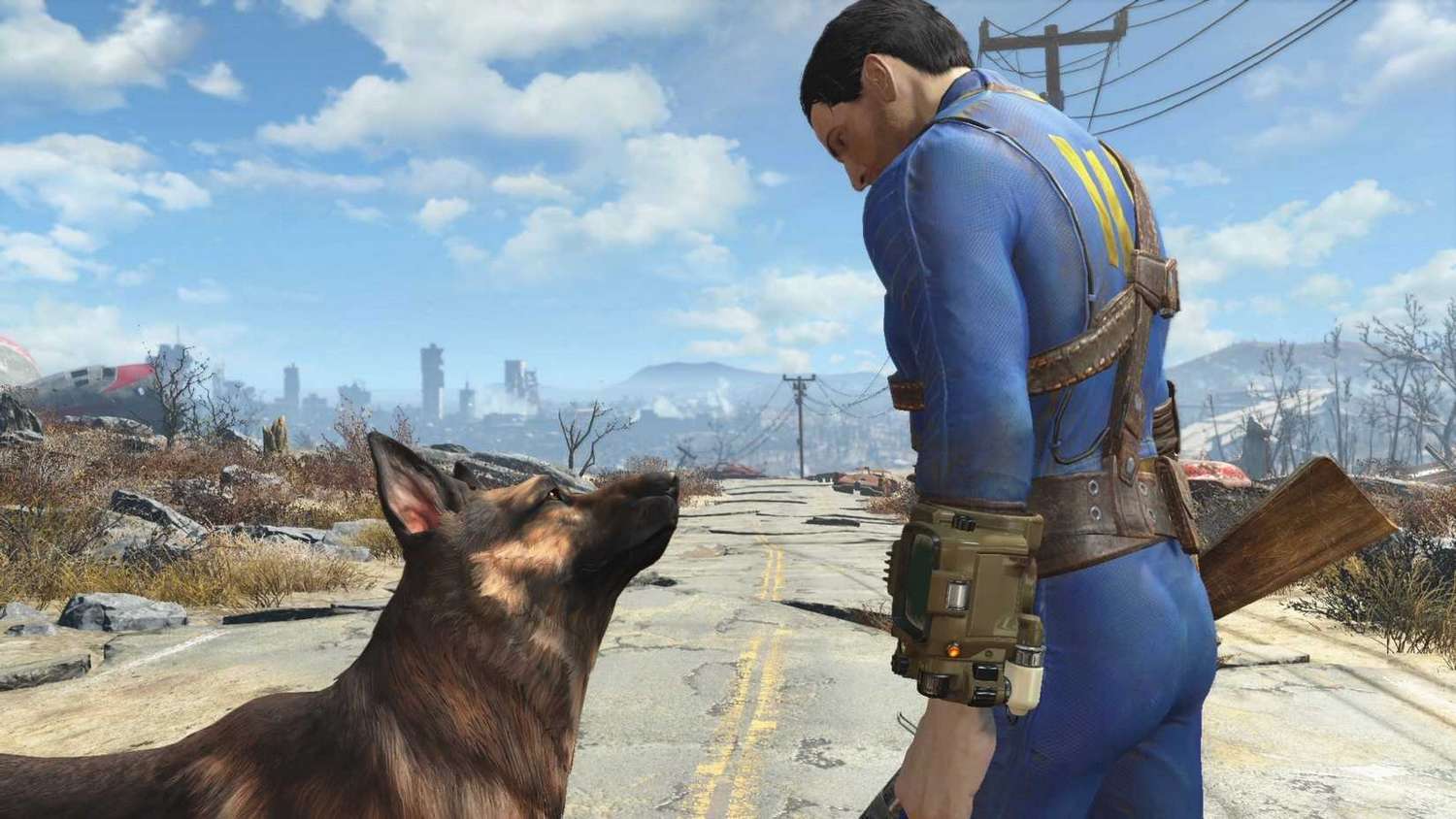
Fallout 4’s Next-Gen Update Backlash Plunges Ratings: A Deep Dive into Player Discontent










Popular Now
 Sonic the Hedgehog™ Classic
 League of Legends
 Free Fire Max
 Auto X Drift Racing 3
 Brawl Stars
 Gacha Club
 Counter-Strike 2
 PUBG Mobile
 NBA 2K24
 Candy Crush Saga
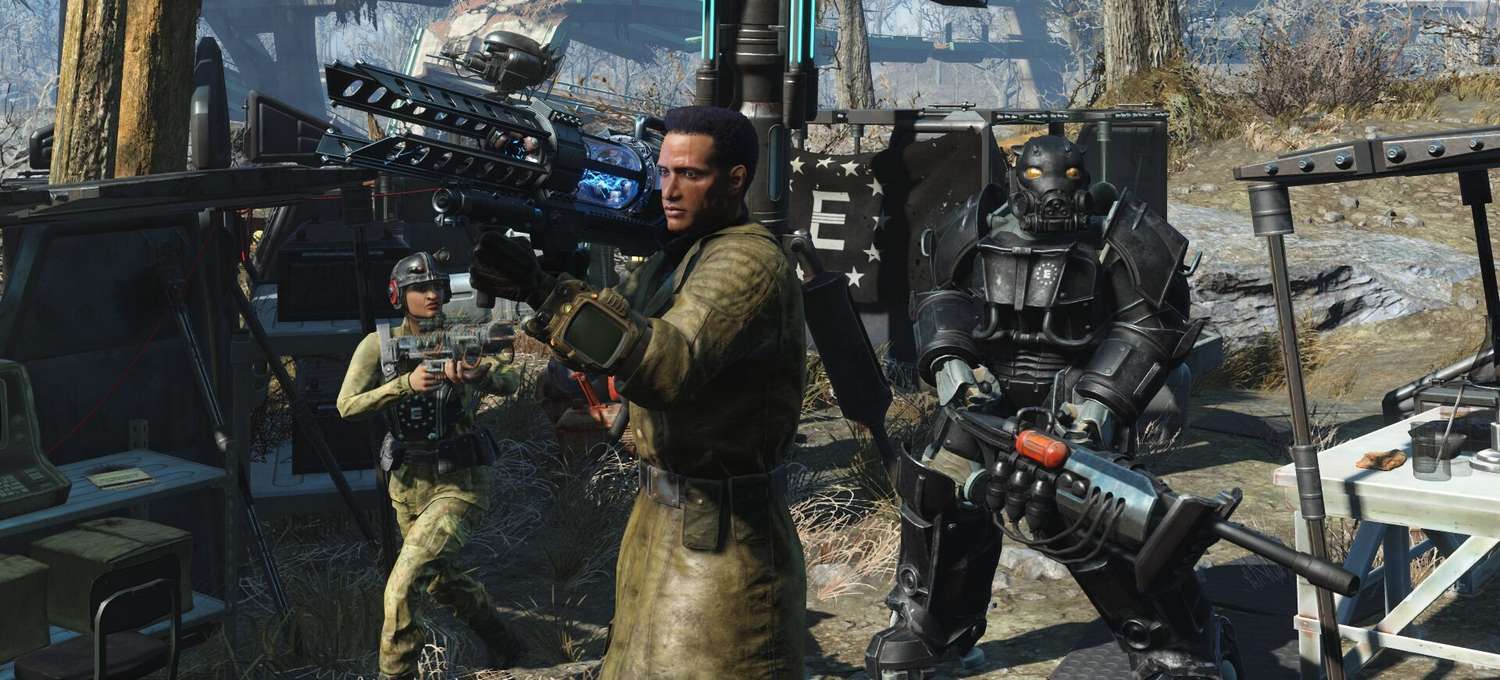 4’s Precipitous Rating Drop: Unpacking the ‘No Surprise’ Factor
In the vast, irradiated landscape of post-apocalyptic Boston, Fallout 4 has long held a cherished, if sometimes contentious, place in the hearts of RPG enthusiasts. Released by Bethesda Game Studios in 2015, it promised an expansive open world, deep crafting, and compelling narratives. For years, despite its initial bugs and design choices that polarized fans, it maintained a respectable standing, largely thanks to its vibrant modding community and enduring appeal. However, recent weeks have seen a significant shift in player sentiment, culminating in a noticeable plunge in its aggregate ratings across prominent platforms. This downturn, particularly evident in user reviews following the highly anticipated but ultimately flawed ‘next-gen’ update, has been met with a resounding, ‘It’s really no surprise’ from a substantial portion of the player base.
The current climate around Fallout 4 is one of palpable disappointment. While specific ‘lowest ever’ thresholds can be subjective and vary across different review aggregators and timeframes, the trend is unequivocally negative. Recent user reviews on platforms like Steam have reflected a sharp decline in positive feedback, often citing the very update intended to revitalize the game as its primary undoing. This article delves into the core reasons behind this erosion of goodwill, exploring the promises made, the realities delivered, and the deep-seated frustrations that have led to Fallout 4’s current critical predicament.
The ‘Next-Gen’ Update: A Catalyst for Community Outrage
April 2024 marked the release of the long-awaited ‘next-gen’ update for Fallout 4. Players were promised a suite of enhancements: native support for modern consoles, widescreen compatibility, performance mode, quality mode, stability improvements, and new Creation Club content. The anticipation was considerable, particularly among PC players who hoped for official modern optimization and console players eager for a smoother, visually upgraded experience.
What materialized, however, was a masterclass in how to alienate a loyal fanbase. Instead of delivering on its promises universally, the update introduced a litany of new problems that overshadowed any perceived benefits:
- Modding Mayhem: Perhaps the most significant blow was the catastrophic impact on the PC modding scene. The update fundamentally altered game files, rendering countless essential mods – including the crucial Fallout 4 Script Extender (F4SE) – incompatible. For a game whose longevity and replayability were heavily propped up by its robust modding community, this was an existential crisis. Players suddenly found their carefully curated, hundreds-of-hours-long modded playthroughs irrevocably broken, leading to widespread anger and feelings of betrayal. Bethesda’s apparent oversight or disregard for this foundational aspect of the game’s PC experience has been a consistent point of contention for years.
- Performance Paradox: Far from offering ‘next-gen’ optimization, many PC and console players reported *worse* performance. Frame rate drops, stuttering, and increased crashes became common complaints, even on powerful hardware. This directly contradicted the update’s core promise of improved stability and performance, making the ‘next-gen’ moniker feel like an insult to injury.
- New Bugs and Glitches: The update wasn’t just about breaking old things; it introduced a host of new bugs. From graphical anomalies and UI glitches to quest progression issues and save corruption, the game felt less polished post-update than it did before. This added to the perception that the update was rushed and inadequately tested.
- Lack of Substantive New Content: The new Creation Club content, while adding some minor quests and items, was largely perceived as insufficient to justify the update’s detrimental effects. Players often felt that the focus was on monetized content rather than genuinely enhancing the core game experience in a meaningful, non-disruptive way.
These issues collectively created a perfect storm of discontent, directly leading to the flurry of negative reviews and the subsequent decline in overall ratings.
The Long Shadow of Bethesda’s Update History
The frustration surrounding the Fallout 4 next-gen update is not an isolated incident; it taps into a deeper well of skepticism regarding Bethesda’s approach to game updates, particularly for its older, beloved titles. The company has a history of launching games with technical issues and relying heavily on the modding community to fix and expand upon their work. While this symbiotic relationship has often worked in the past, the Fallout 4 update felt like a direct assault on that very dynamic.
Furthermore, comparisons are often drawn to other developers who have successfully revived and updated older titles without such destructive consequences for their modding ecosystems. This highlights a perceived lack of understanding or priority from Bethesda regarding the intricate and delicate balance of a game sustained by its community. The success of the Fallout TV show invigorated interest in the game, making the ill-fated update feel like an even greater missed opportunity to capitalize on newfound enthusiasm.
Player Sentiment and the Future of Fallout 4
The current low ratings for Fallout 4 are more than just numbers; they represent a significant dip in player trust and satisfaction. For many, it’s a statement that Bethesda, in this instance, failed to understand what made the game enduringly popular. The ‘no surprise’ sentiment stems from a cumulative experience of similar incidents and a growing weariness with updates that seem to do more harm than good.
While Fallout 4 remains a monumental achievement in many respects, its latest official ‘revitalization’ has inadvertently highlighted its vulnerabilities and, more critically, the disconnect between developer intentions and player expectations. Rebuilding this trust will require more than just hotfixes; it will demand a fundamental shift in how Bethesda approaches updates for its legacy titles, perhaps involving closer collaboration with the very modding communities that have kept these games alive and thriving for so long. Until then, the irradiated wastes of Fallout 4 might feel a little more barren, not from nuclear fallout, but from the fallout of player disappointment.