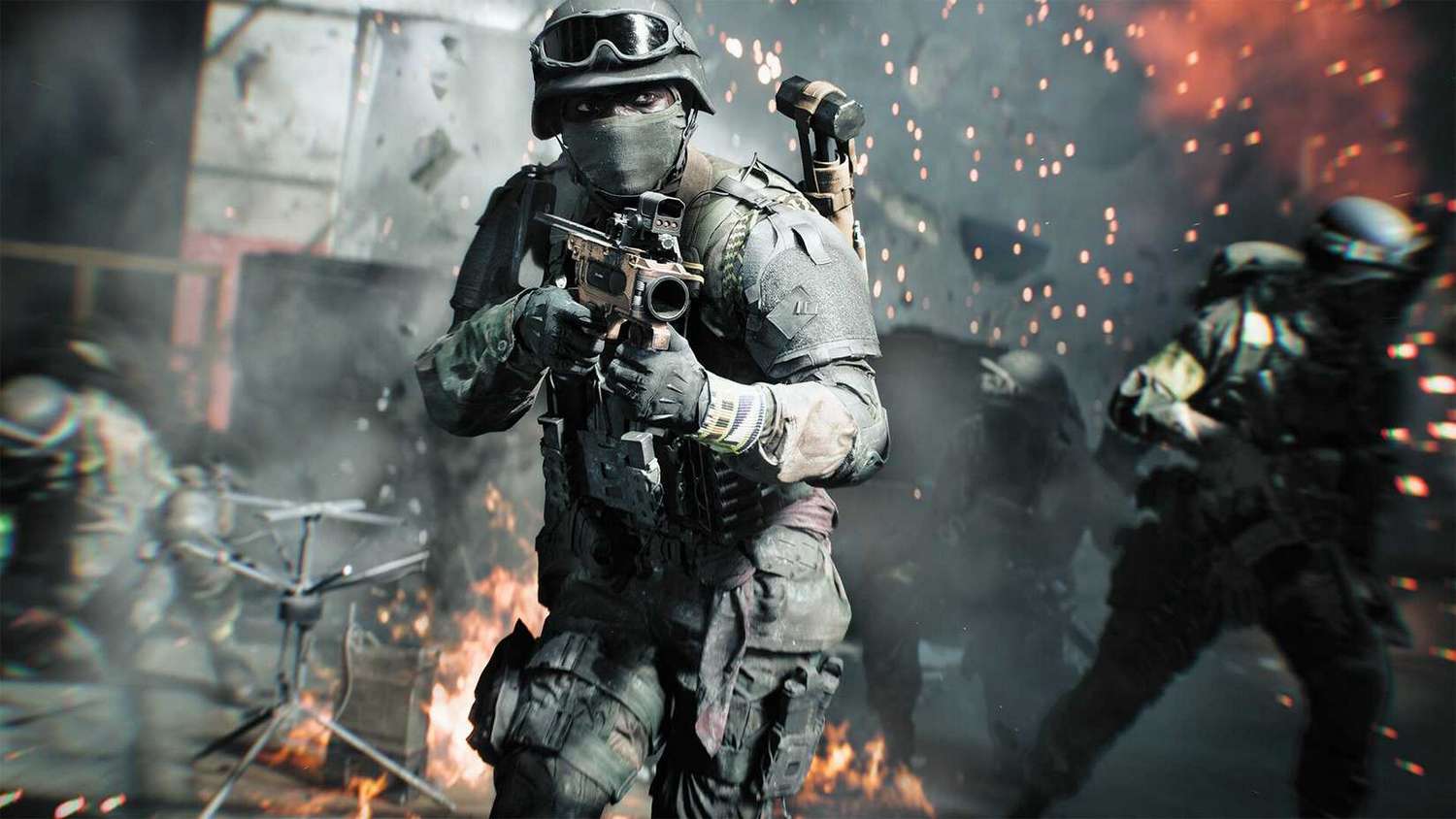
Community Sparks Discussion: Innovative Fan Concept Aims to Revolutionize Battlefield’s Iconic Conquest Mode









Popular Now
 Roblox
 Fall Guys
 Auto X Drift Racing 3
 Brawl Stars
 Candy Crush Saga
 Black Myth: Wukong
 Among Us
 The Legend of Zelda
 League of Legends
 EA SPORT FC 25
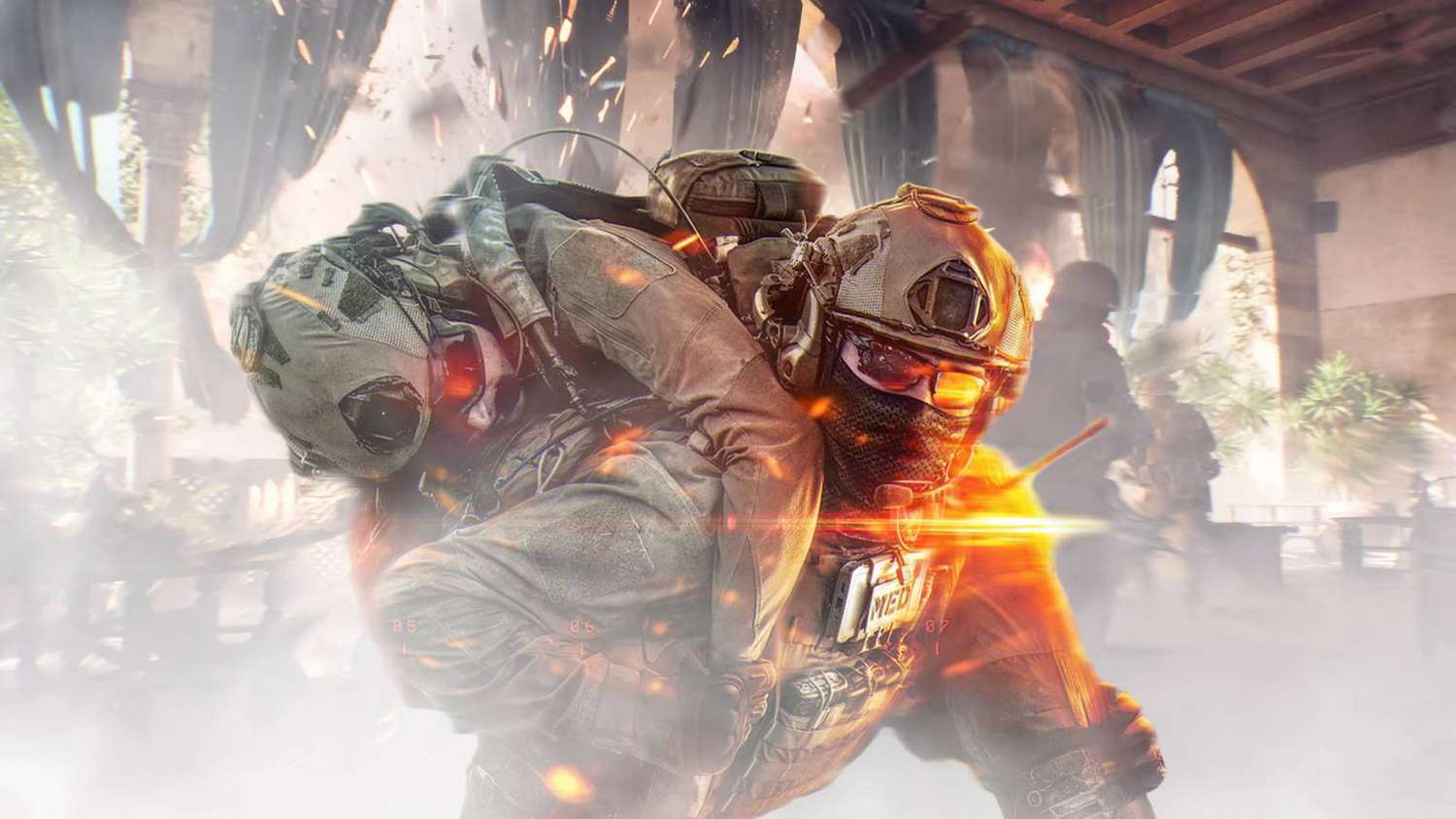 Community Sparks Discussion: Innovative Fan Concept Aims to Revolutionize Battlefield’s Iconic Conquest Mode
The Battlefield franchise has long been synonymous with large-scale warfare, and at its heart lies the Conquest game mode. Known for its expansive maps, vehicle combat, and objective-based gameplay, Conquest has defined the series for decades. However, as the gaming landscape evolves and player expectations for depth and variety grow, the community consistently seeks ways to enhance even the most beloved formulas. Recently, a passionate fan shared a detailed proposal on social media platforms, suggesting a novel approach to inject more dynamism and strategic layers into Conquest, potentially setting a new benchmark for future Battlefield titles.
This innovative concept, widely discussed among FPS gaming enthusiasts, posits that while capturing and holding flags remains the core objective, an overlay of ‘dynamic secondary objectives’ could dramatically alter the flow and intensity of matches. These secondary objectives wouldn’t replace the traditional flags but would instead appear intermittently across the map, offering significant tactical advantages or unique scoring opportunities. Imagine scenarios where securing a specific communications tower temporarily reveals enemy positions across a sector, or holding a critical supply depot grants a temporary buff to friendly vehicle repair rates or ammunition regeneration. This proposed system aims to break the predictable flag-to-flag movement that can sometimes characterize Conquest, pushing players to adapt on the fly and make more meaningful strategic decisions beyond simply rushing the next objective.
Enhancing Strategic Depth and Player Engagement
The fan’s vision emphasizes moving beyond the binary success of flag capture to introduce a multi-layered strategic environment. Currently, a team’s success in Conquest often boils down to holding more flags than the opposition, leading to a largely linear progression of engagements. The proposed dynamic objectives would introduce variable win conditions and shift the tactical focus, making each match feel less like a repeat and more like a unique battle. For instance, successfully completing a high-risk secondary objective, such as disabling an enemy artillery position, could award a significant score bonus or even trigger a temporary ‘zone lockdown’ around a key objective, forcing enemy teams to re-evaluate their assault routes. This adds an exciting layer of unpredictability and forces teams to prioritize not just current flags, but also potential future advantages.
Such a system would inherently promote greater teamwork and communication. Squads would need to decide whether to commit resources to a contested primary flag or divert efforts to secure a fleeting secondary objective that could turn the tide of battle. This strategic tension is a hallmark of truly engaging online multiplayer experiences. It pushes beyond individual skill, requiring coordinated efforts to identify, pursue, and defend these transient goals. The Battlefield community has long advocated for mechanics that reward intelligent play over brute force, and this concept aligns perfectly with those aspirations, providing compelling reasons for squads to stick together and execute complex maneuvers.
The Role of Dynamic Events in Modern FPS Game Design
The notion of dynamic events is not entirely new to modern FPS game design, but integrating them seamlessly and meaningfully into a core mode like Conquest presents unique challenges and opportunities. Developers at DICE have consistently iterated on game modes, and understanding player feedback is paramount for the future of the Battlefield franchise. The proposal suggests that these secondary objectives could be procedurally generated or tied to map-specific lore, adding a narrative flair to the combat. For example, on a map featuring urban combat, a secondary objective might involve securing a high-rise building for sniper vantage points, or on a desert map, protecting a vital water convoy. This not only enhances immersion but also ensures that each map offers distinct strategic puzzles.
Furthermore, the variety of these objectives could be extensive, ranging from escort missions for VIPs or equipment, to timed defense challenges, or even mini-puzzles requiring interaction with the environment. Implementing such diverse objectives would require meticulous design and rigorous testing to ensure balance and prevent frustration. The goal is to enrich the gameplay, not to create arbitrary tasks. The rewards for these objectives would also need careful calibration, ensuring they are significant enough to warrant attention but not so powerful as to render the primary flag objectives irrelevant. This balance is critical for maintaining the fundamental identity of Conquest while pushing its boundaries.
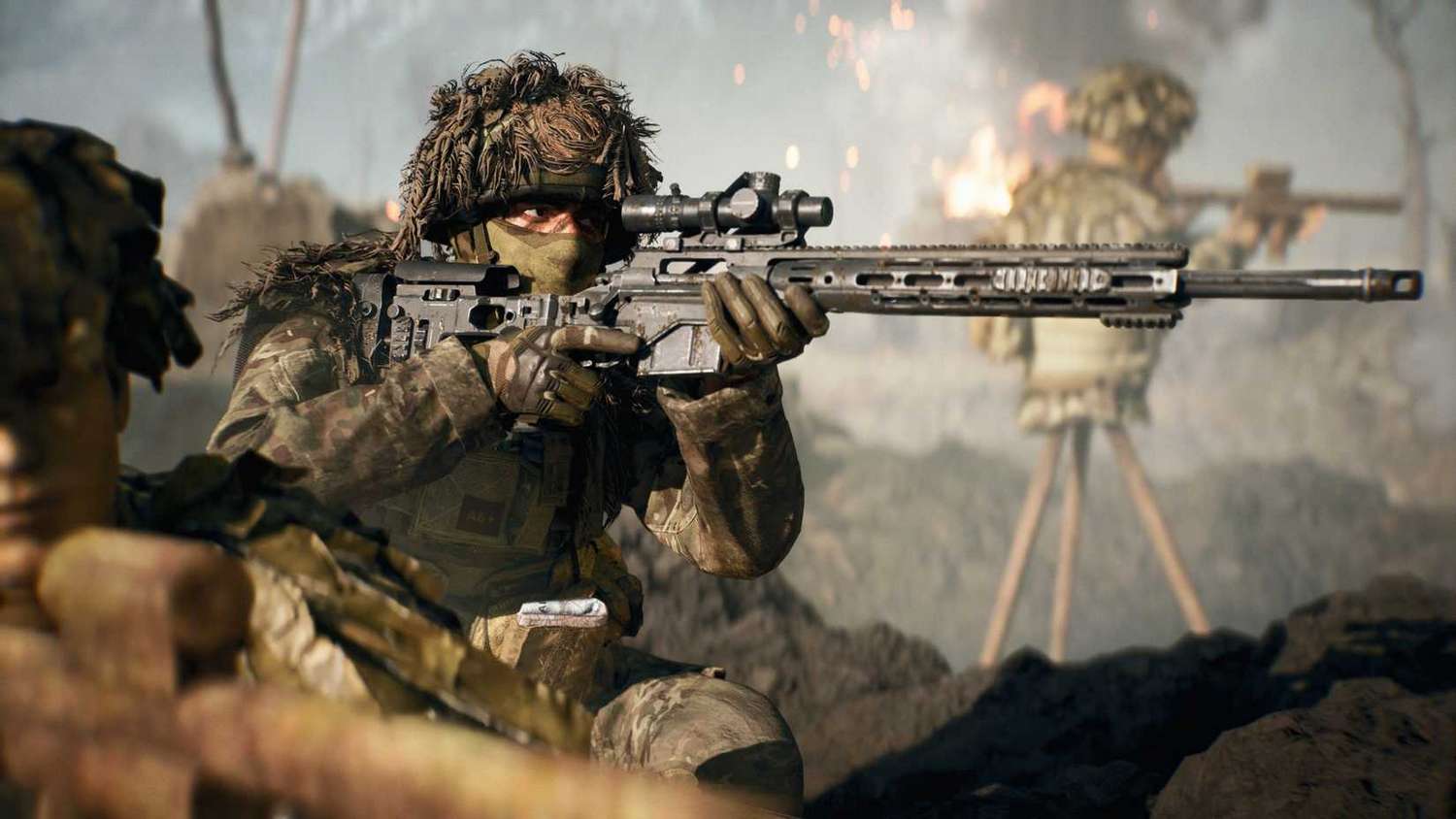
Addressing Potential Challenges and Community Expectations
While the fan’s idea has generated significant positive buzz, implementing such a complex system would undoubtedly come with challenges. One primary concern is map design. Existing Battlefield 2042 maps, for example, are built around specific flag layouts and flow. Incorporating dynamic objectives would necessitate a more flexible and adaptable map design philosophy, potentially requiring new environmental assets or interactive elements not typically found in current Conquest layouts. This also raises questions about server performance and the technical feasibility of real-time objective generation in large-scale multiplayer matches.
- Technical Hurdles: Ensuring seamless implementation of dynamic objectives without negatively impacting server stability or player experience.
- Balancing Act: Calibrating rewards and difficulties so that secondary objectives enhance, rather than overshadow, core Conquest gameplay.
- Map Redesign: Adapting future map designs to accommodate and benefit from dynamically appearing objectives, potentially requiring new interactive elements.
- Player Onboarding: Clearly communicating the mechanics and importance of these new objectives to players, especially newcomers.
However, the potential rewards for overcoming these challenges are substantial. A more varied and engaging Conquest mode could revitalize the series, attracting new players while satisfying the long-standing desires of the veteran Battlefield community. The pursuit of deeper strategic gameplay and more compelling narratives within multiplayer matches is a common thread in recent gaming news and industry discussions. Developers like DICE are constantly under pressure to innovate, and community-driven ideas, especially well-articulated ones, often serve as invaluable inspirations for future game development cycles.
The Future of Battlefield’s Flagship Mode
As the conversation around the next Battlefield game continues to intensify, community feedback like this fan’s proposal becomes increasingly vital. It underscores a desire for evolution, not just iteration, in core game modes. The essence of Conquest – large-scale battles, combined arms, and objective control – must remain. However, overlaying it with intelligent, dynamic systems that create emergent gameplay moments could be the key to ensuring its relevance and excitement for years to come. Such an approach would differentiate the Battlefield experience from its competitors, offering a unique blend of familiar chaos and newfound strategic depth.
Ultimately, the successful integration of dynamic secondary objectives could transform Conquest from a mode focused primarily on territory control into a more intricate strategic chess match, where teams must constantly weigh immediate gains against long-term tactical advantages. This kind of innovation is what keeps the multiplayer gaming landscape fresh and exciting. Whether this specific concept finds its way into a future Battlefield title or inspires similar ideas, it’s clear that the passion and creativity of the player base remain a driving force in shaping the evolution of one of gaming’s most iconic franchises. The continued dialogue between players and developers is crucial for pushing the boundaries of what a large-scale FPS can be, promising a bright and dynamic future for the Battlefield series.