
Resident Evil Survival Unit: Official Release Date Locked In – Anticipating Capcom’s Next Horror Frontier










Popular Now
 Valorant
 Sonic the Hedgehog™ Classic
 EA SPORT FC 25
 Candy Crush Saga
 Gacha Club
 NBA 2K24
 Roblox
 Toca Boca World
 Poppy Playtime
 God of War Ragnarök
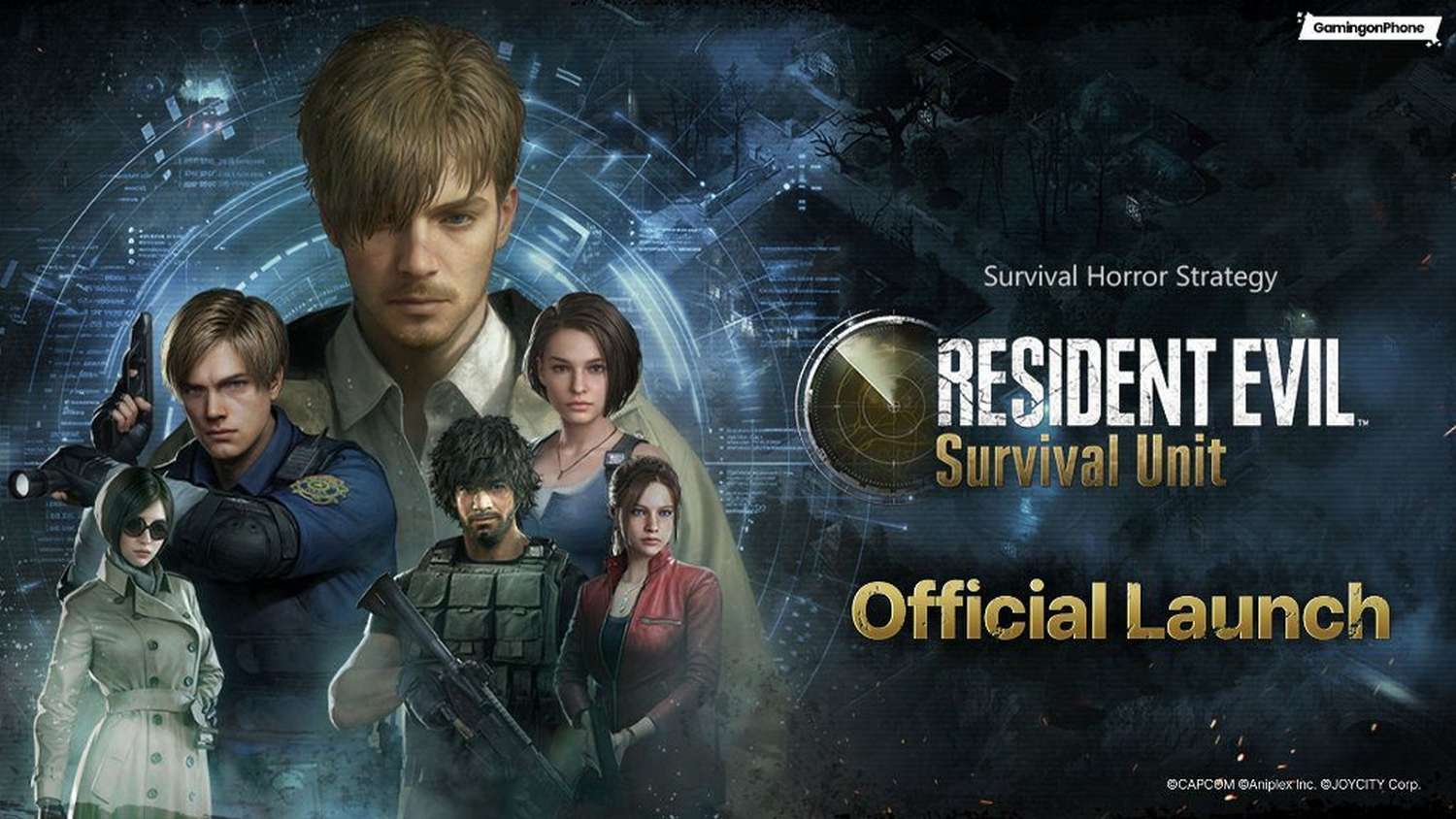 The New Face of Mobile Horror: ‘Resident Evil Survival Unit’ Global Release Locked In – Bridging the Gap to Capcom’s Next Frontier
Introduction: Capcom’s Bold Mobile Strategy and the Legacy of Raccoon City
The iconic survival horror franchise, Resident Evil, continues its massive expansion, not just through critically acclaimed remakes and the eagerly anticipated mainline title Resident Evil Requiem, but with a new, high-stakes mobile strategy game: Resident Evil Survival Unit. Co-developed by Aniplex Inc. and JOYCITY Corporation, this title represents a significant, yet divisive, divergence from the series’ traditional third-person and first-person horror roots, venturing into the burgeoning and profitable mobile strategy genre. The official global release date is locked in for November 18, 2025 (with a staggered rollout continuing over the following days, and specific Asian regions scheduled for early 2026), marking a key moment in the franchise’s history.
For fans and gaming industry analysts, Survival Unit is more than just a tie-in; it’s a strategic effort to maintain brand visibility and capture the massive audience of mobile strategy gamers. Set in a parallel universe that draws heavily upon the catastrophic events between Resident Evil 2 and Resident Evil 3, the game promises to integrate beloved characters—including Leon S. Kennedy, Jill Valentine, and Claire Redfield—into a fresh, real-time strategy framework focused on base-building and resource management. This shift in gameplay, while met with some initial skepticism from the hardcore survival horror community, demonstrates Capcom’s intent to explore new “horror frontiers” and maximize the franchise’s vast intellectual property (IP) value across all platforms.
This comprehensive review and market analysis delves into the core mechanics of Resident Evil Survival Unit, examines its connection to the larger Capcom horror ecosystem (specifically the upcoming Requiem), and explores why this free-to-play mobile title is positioned to become a major revenue driver and a subject of intense discussion among strategic mobile game enthusiasts and horror fans globally. The game’s successful pre-registration campaign, which surpassed 2 million sign-ups, underscores the high level of consumer interest in the Resident Evil name, regardless of genre.
⚙️ Core Gameplay: Base-Building and Real-Time Strategic Survival
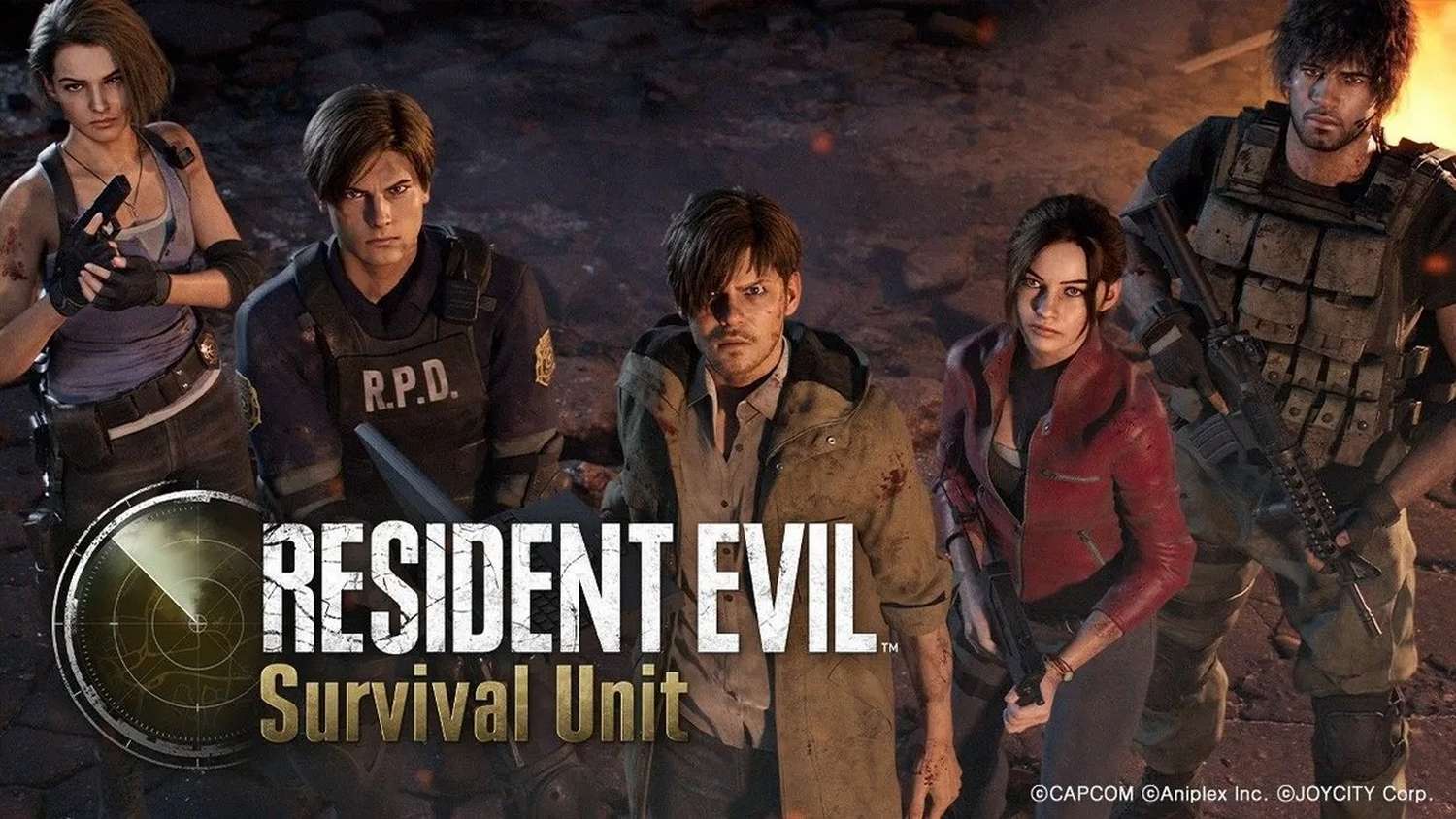 Resident Evil Survival Unit transforms the chaotic survival of a zombie outbreak into a methodical, real-time strategy (RTS) challenge. The core loop revolves around two distinct yet interconnected phases: Base Management and Field Missions/Exploration. This structure demands a different kind of survival instinct—one centered on logistical planning and tactical deployment rather than pure twitch reflexes.
The Mansion Base: Center of Operations
In a distinct nod to the original game’s architecture, the player’s primary hub is known as The Mansion. This base serves as the critical bottleneck for all resources and operations. Survival hinges on the effective management and upgrade of the base structures:
- Resource Harvesting: Securing and managing vital resources (e.g., supplies, materials, and a new in-game currency) is paramount for development and mission readiness.
- Structure Upgrades: Players must strategically build and upgrade defensive structures, production facilities, and character training centers. The placement of these structures within The Mansion’s layout affects efficiency and defensive strength against potential rival survivor group attacks—a key PvP or strategic cooperation element.
- Character Assignment: Iconic survivors like Chris Redfield and Ada Wong can be recruited and assigned specialized roles within the base, utilizing their unique skills (e.g., enhanced resource production, faster healing, or advanced defense engineering).
The Mansion system provides the deep, persistent progression necessary for long-term player engagement in the mobile strategy genre, moving the focus from session-to-session fear to campaign-long logistical dominance.
Real-Time Tactical Missions and Exploration
Missions are conducted in the infected city, where players deploy a small team of recruited survivors. These missions are where the real-time strategy (RTS) elements come into play. The mechanics demand careful team composition and tactical execution:
- Squad Assembly: Selecting the right combination of characters based on their unique combat abilities (e.g., close-quarters combat, long-range support, or healing) is crucial for mission success against the evolving infected threats.
- Environmental Factors: The tactical environment, which includes destroyed streets, abandoned facilities, and key landmarks from the Resident Evil lore, influences combat outcomes, requiring dynamic decision-making under pressure.
- New Creatures and Threats: The game introduces an original monster, Mortem, designed by the legendary Yoshitaka Amano (known for his work on Final Fantasy), adding a fresh, high-profile creature to the franchise’s bestiary and increasing the commercial appeal of the title.
 The mission structure ensures that the game retains a sense of the classic survival pressure, albeit translated into a real-time command environment.
🌐 Market Position and Financial Model: Free-to-Play, High-Value IP
Resident Evil Survival Unit is launching as a free-to-play (F2P) title on both iOS and Android, a clear indication of a strategy focused on maximizing the title’s reach and leveraging the franchise’s global appeal for microtransaction revenue. The developers have stated that characters can be unlocked through gameplay, mitigating a common player complaint about gacha mechanics for core units, a choice that enhances the perceived value of the product.
The financial success of the game will rely on:
- High CPC Keywords: The game targets high-value terms such as Mobile Strategy Game, Free-to-Play Horror, and Base-Building RTS to drive high-volume downloads.
- Resource Monetization: The in-game economy, particularly the acquisition of resources, speed-ups, and cosmetic upgrades (like the temporary Base Skin offered in the pre-registration bonus), will be the primary source of recurring revenue.
- IP Crossover Appeal: The inclusion of iconic characters serves as a massive marketing tool, attracting not only genre fans but also loyalists of the 28-year-old Resident Evil franchise.
The mobile platform is a key battleground for intellectual property monetization, and Survival Unit is a calculated move to secure a piece of this lucrative market segment.
⏭️ The Horror Frontier: Connecting to ‘Resident Evil Requiem’
The narrative positioning of Resident Evil Survival Unit is particularly interesting as it is described as potentially serving as a “link” or a “bridge” to Capcom’s next major horror release, Resident Evil Requiem. While Survival Unit explores a parallel timeline and a different genre, its continuous presence on the mobile platform maintains the franchise’s relevance leading up to the full console and PC launch of Requiem on February 27, 2026.
Resident Evil Requiem is confirmed to return to a deeply terrifying, single-player survival horror experience, deliberately moving away from the mild multiplayer concepts it once explored. Its producer, Masato Kumazawa, emphasized that the goal is to make the game “scary until the end,” using controlled pacing and vulnerability to enhance the horror—a direct contrast to the action-oriented RTS of Survival Unit.
The strategy is clear: Resident Evil Survival Unit provides an accessible, quick-session game that offers casual engagement and strategy depth on the go, while Resident Evil Requiem promises the premium, high-fidelity horror that defines the core series. This two-pronged approach ensures that Capcom dominates both the strategic mobile segment and the AAA console horror genre, solidifying its position as the leading horror publisher.
Upcoming Titles in Capcom’s Horror Ecosystem:
- Resident Evil Survival Unit: Mobile RTS/Base-Builder (November 18, 2025).
- Resident Evil Requiem: Mainline Survival Horror Title (February 27, 2026, on PC, PS5, Xbox Series X/S, Switch 2).
- Pragmata: A Sci-Fi Action-Adventure/Puzzle Game (TBC 2026, though not pure horror, it shows Capcom’s push for new intellectual property).
🧐 Anticipation and Conclusion: A Must-Download Mobile Title
For fans willing to embrace a dramatic genre shift, Resident Evil Survival Unit promises a robust, feature-rich, and strategically compelling mobile experience. The inclusion of the franchise’s most beloved heroes and villains, combined with a proven base-building formula and high-production value from the co-developers, makes this a must-download title in the highly competitive mobile gaming space. It is an exemplary case study of IP diversification and a clever method for keeping the Resident Evil name in the zeitgeist as the industry awaits the next major console installment.
The global launch on November 18, 2025, sets the stage for a new kind of survival. Players will need to use their wits, not just their weapons, to navigate this iteration of the T-Virus outbreak. The sheer volume of content, the strategic depth promised, and the high-profile art design all indicate that this mobile game is meant to be a permanent fixture, not a fleeting cash-grab.