
Crusader Kings 3: Mastering Cultural Traditions for Unrivaled Dynastic Power – A Strategic Review










Popular Now
 Poppy Playtime
 Grand Theft Auto VI
 Free Fire Max
 PUBG Mobile
 Call of Duty
 Toca Boca World
 Minecraft
 Roblox
 The Legend of Zelda
 Sonic the Hedgehog™ Classic
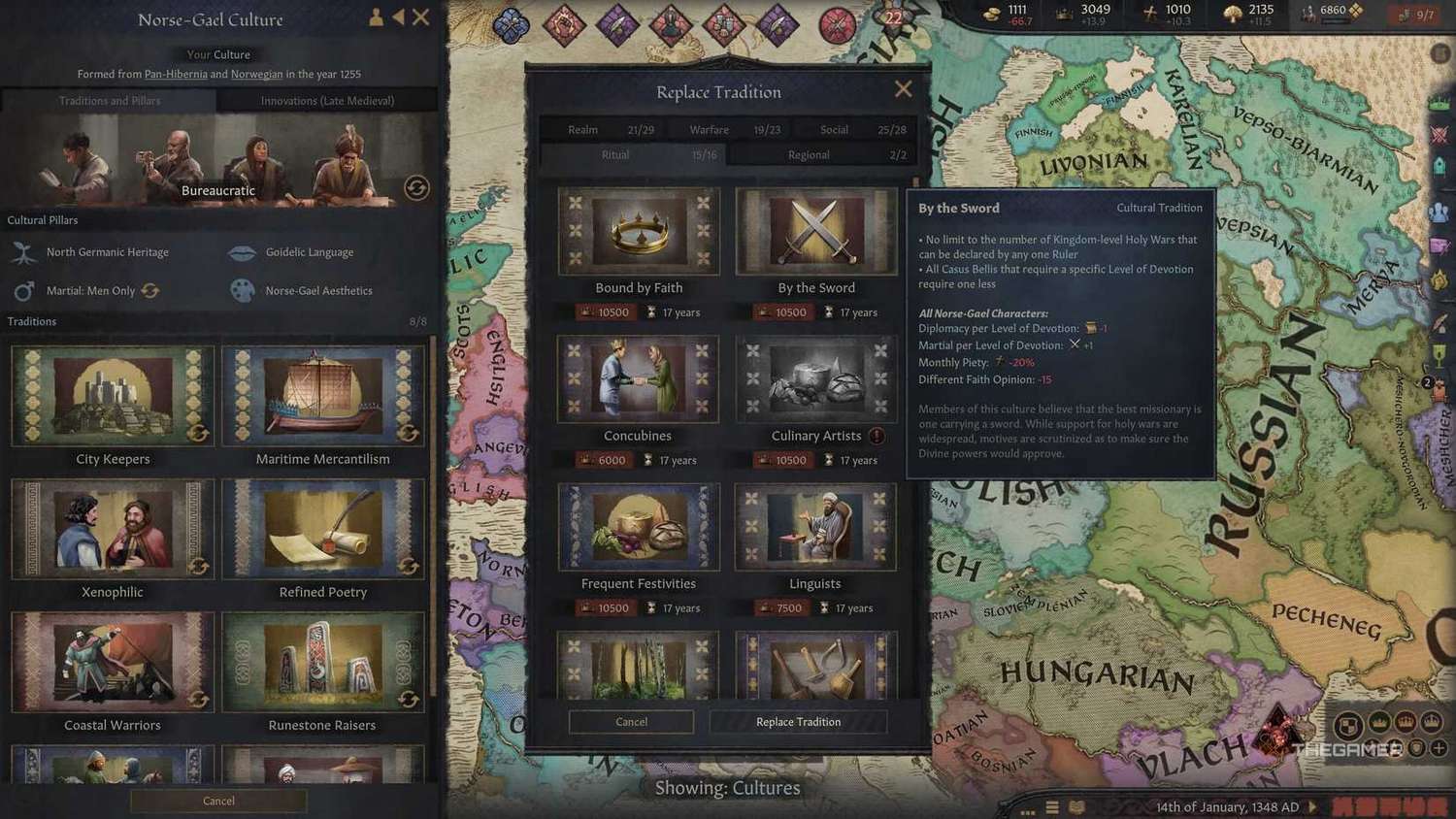 In the expansive and intricate world of Paradox Interactive’s critically acclaimed grand strategy RPG, Crusader Kings 3 (CK3), players embark on a dynastic journey through the Middle Ages. Beyond the political intrigue, religious fervor, and constant warfare, a deeper, often overlooked layer of strategy lies within the game’s robust cultural system. Mastering cultural traditions is not merely an aesthetic choice; it is a fundamental pillar for achieving unrivaled dynastic power, ensuring economic prosperity, military dominance, and long-term stability. This in-depth guide and strategic review delves into the most impactful cultural traditions, offering insights to elevate your gameplay and cement your legacy.
Understanding the nuances of each tradition, and how they synergize with your chosen starting ruler, geographical location, and overarching goals, is paramount for optimal gameplay. With recent updates continually refining game mechanics, staying abreast of effective strategies for cultural reforms is more vital than ever for any ambitious CK3 player.
Understanding Cultural Traditions: The Blueprint of Your Society
Cultural traditions in Crusader Kings 3 represent the defining characteristics and practices of a society. They are dynamic traits that grant specific bonuses, modify character interactions, and influence the development trajectory of your realm. Each culture can adopt up to five traditions, which can be reformed and changed over time – a costly but often necessary endeavor to adapt to evolving strategic needs or to integrate advantageous practices from conquered lands. These traditions are not static; intelligent management of your cultural head allows for strategic reform, shaping your people’s identity and future.
From boosting economic output to enhancing military might or fostering diplomatic relations, the right combination of traditions can dramatically alter the difficulty and potential of your campaigns. Ignoring this vital system is akin to fighting with one hand tied behind your back in the competitive world of medieval simulation.
 The Pillars of Power: Top Cultural Traditions for Every Playstyle
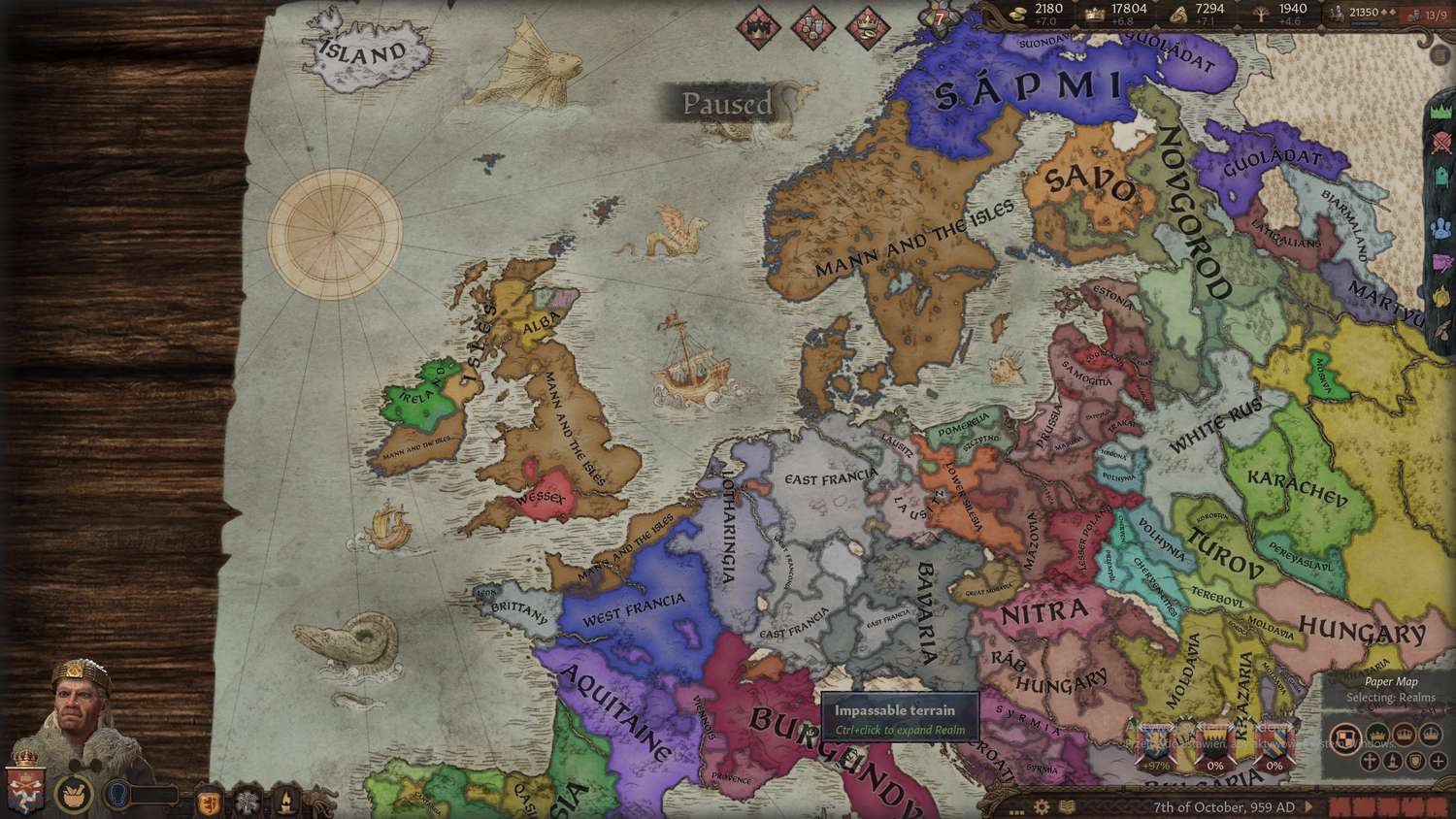
While the ‘best’ traditions often depend on a player’s specific objectives and starting conditions, certain traditions consistently offer significant advantages across a wide range of scenarios. We will categorize them by their primary benefits, enabling you to tailor your cultural setup for maximum efficiency.
Economic and Development Traditions: Fueling Your Realm’s Growth
- Agrarian: This foundational tradition significantly boosts farming village building level contributions and development growth in farmlands, making it indispensable for realms centered around fertile territories. For players focused on high-development feudal gaming, Agrarian is a high-yield tradition that underpins sustained economic prosperity and innovation speed.
- Communalism: Offering bonuses to popular opinion and a notable increase in development growth, Communalism is excellent for managing large, diverse realms or rapidly urbanizing your core provinces. It helps mitigate unrest and accelerate your realm’s technological and economic advancement, crucial for maintaining stability and increasing tax revenue.
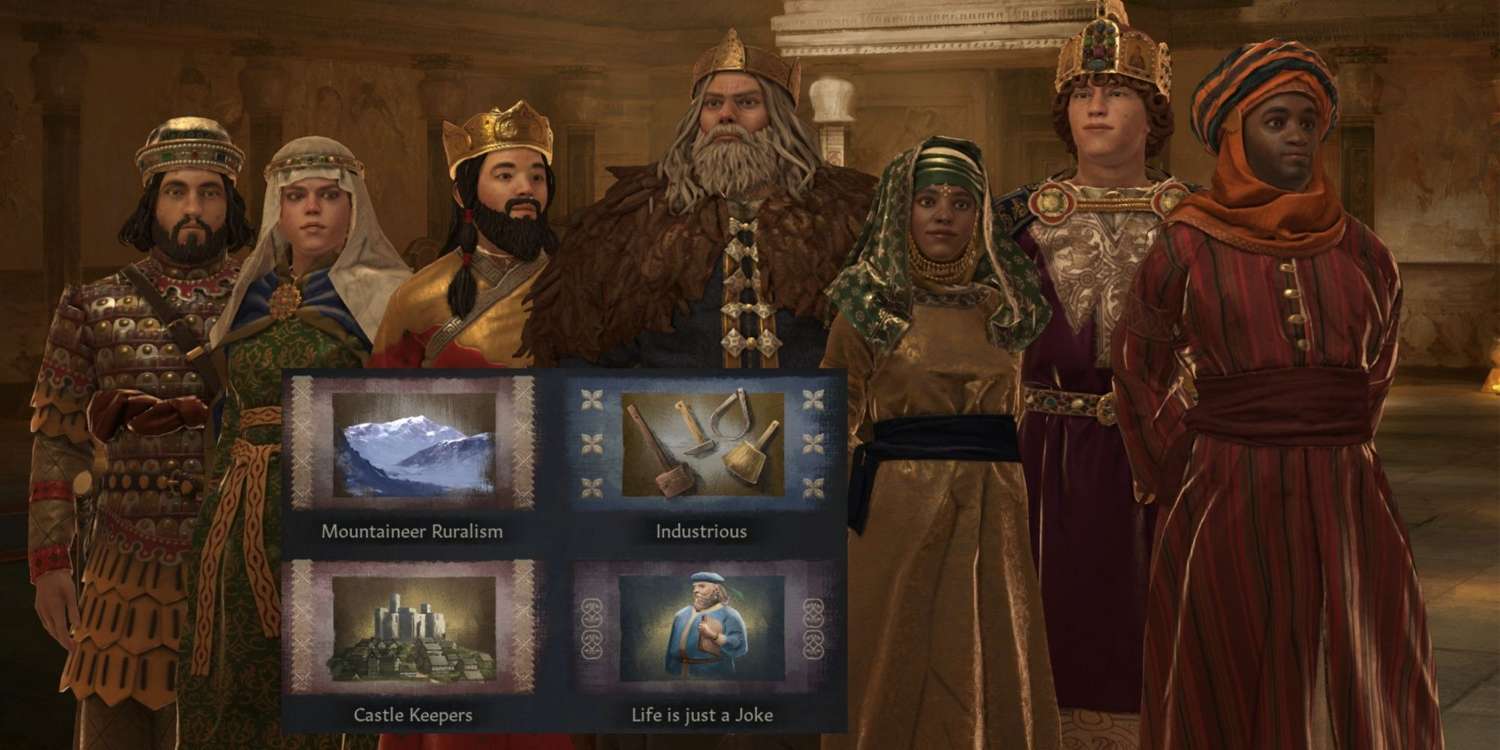
- Industrious: Providing a potent boost to construction speed and potentially reducing building costs, Industrious is a must-have for ambitious builders. Whether you’re constructing new castles, improving cities, or fortifying your borders, this tradition slashes the time and resources required, allowing for faster expansion and infrastructure development.
- Tabletop Warriors: While seemingly military-focused, this tradition’s impact on ‘Prowess’ for characters can indirectly boost economic output through better knights and commanders, who in turn lead to more successful wars and richer coffers. It also contributes to court grandeur, attracting talented characters.
Military and Warfare Traditions: Forging an Unstoppable Army
- Pillagers: For those who embrace a more aggressive, raiding-focused playstyle (especially tribal or Norse cultures), Pillagers is a game-changer. It unlocks powerful raiding options, allowing you to generate massive amounts of wealth, prestige, and captives from neighboring realms. This tradition is a cornerstone for early game expansion and maintaining a strong economy through conquest, offering substantial military advantage through resource acquisition.
- Warrior Culture: A classic for any martial-focused dynasty, Warrior Culture dramatically enhances knight effectiveness and prowess, making your heavy cavalry and champions formidable forces on the battlefield. It’s ideal for players who rely on smaller, elite armies to punch above their weight, turning strong characters into true war machines.
- Militarized Societies: Boosting levy size and defensive advantages, Militarized Societies is excellent for securing borders and overwhelming enemies through sheer numbers. It’s particularly useful for larger empires or those facing frequent external threats, providing a robust backbone to your military strategy and ensuring your territories are well-defended.
- Staunch Defenders: This tradition grants significant defensive bonuses in your home terrain, making it incredibly difficult for invaders to push into your core territory. Combined with strong fortifications, Staunch Defenders can turn your realm into an impenetrable fortress, crucial for survival in volatile regions.
 Diplomatic and Social Stability Traditions: Weaving a Web of Influence
- Ritualized Friendships/Kinship: These traditions offer substantial opinion bonuses with characters within your culture or faith, respectively. For managing vast vassal networks and preventing internal factions, these diplomatic tools are invaluable. They foster loyalty, improve character relations, and reduce the likelihood of civil wars, providing crucial social stability.
- Courtly: This tradition significantly enhances court grandeur, which in turn attracts higher-quality guests and offers powerful opinion bonuses with all vassals. A high-grandeur court is a beacon of prestige and cultural excellence, essential for attracting skilled individuals and maintaining a contented noble class.
- Chivalry: Beyond its martial applications, Chivalry offers excellent opinion bonuses with characters, especially those of a good moral standing. It promotes virtues and can significantly boost piety gain, making it a versatile tradition for both war and peace, fostering a noble and honorable image for your dynasty.
Innovation and Character Growth Traditions: Shaping Minds and Legacies
- Philosopher Culture: For rulers focused on technological advancement and intellectual pursuits, Philosopher Culture is paramount. It boosts learning lifestyle experience gain and significantly increases innovation speed, accelerating your cultural head’s progress through the technology tree and unlocking crucial advancements faster.
- Monasticism: This tradition provides substantial piety gain, stress reduction, and can unlock unique monastic orders. For rulers with a strong religious focus or those looking to manage stress effectively, Monasticism offers a pathway to sainthood and a more stable character life, which indirectly benefits realm stability.
- Only The Strong: This tradition offers a powerful boost to character prowess and health, indirectly improving the effectiveness of your knights and also ensuring the longevity of your rulers. Health is a high-CPC stat in CK3, as a longer-lived ruler means more time to develop their skills, build alliances, and oversee their realm’s growth.
Strategic Synergies and Dynamic Gameplay
The true genius of CK3’s cultural system lies in the strategic synergies between traditions. For instance, a feudal ruler in rich farmlands might combine Agrarian with Communalism and Industrious to create an unstoppable economic engine, rapidly developing their core provinces while building an impressive infrastructure. A tribal warlord, on the other hand, might pair Pillagers with Warrior Culture and Militarized Societies to forge a fearsome raiding empire, dominating their neighbors through sheer military might and constant warfare.
Recent updates, such as the ‘Tours & Tournaments’ DLC, have underscored the importance of court grandeur, making traditions like Courtly even more appealing for enhancing character management and diplomatic prowess. Similarly, ‘Wards & Wardens’ emphasizes character development from a young age, subtly boosting the value of traditions that improve learning or prowess gains. The meta strategies in CK3 are constantly evolving, meaning players must be prepared to adapt their cultural reforms over time, sometimes even adopting traditions from conquered peoples to enhance their dynastic legacy.
Remember, your culture’s starting traditions are not set in stone. As a cultural head, you have the power to reform and adopt new traditions, though this comes at a significant cost in prestige and takes considerable time. Planning these reforms strategically, perhaps phasing out less useful traditions for more powerful ones as your realm expands and your goals shift, is a mark of a truly masterful CK3 player.
Conclusion: Forge Your Dynasty’s Destiny with Smart Cultural Choices
The cultural traditions in Crusader Kings 3 are far more than flavor text; they are powerful game mechanics that provide deep strategic layers to an already complex grand strategy experience. By carefully selecting and reforming your traditions, you can tailor your realm to excel in any endeavor, be it economic development, military conquest, or diplomatic dominance. Whether you’re aiming for a peaceful, prosperous kingdom or a sprawling, conquering empire, the right cultural foundations will pave the way for an unrivaled dynastic power. Experiment with different combinations, observe their effects, and continuously refine your cultural blueprint to truly master the art of medieval simulation and leave an indelible mark on history.