
Final Fantasy VII Rebirth Review: A Monumental Leap for Modern JRPGs on PS5










Popular Now
 Roblox
 Auto X Drift Racing 3
 League of Legends
 Counter-Strike 2
 Rust
Rust
 NBA 2K24
 Brawl Stars
 Free Fire
 The Legend of Zelda
 FIFA 23
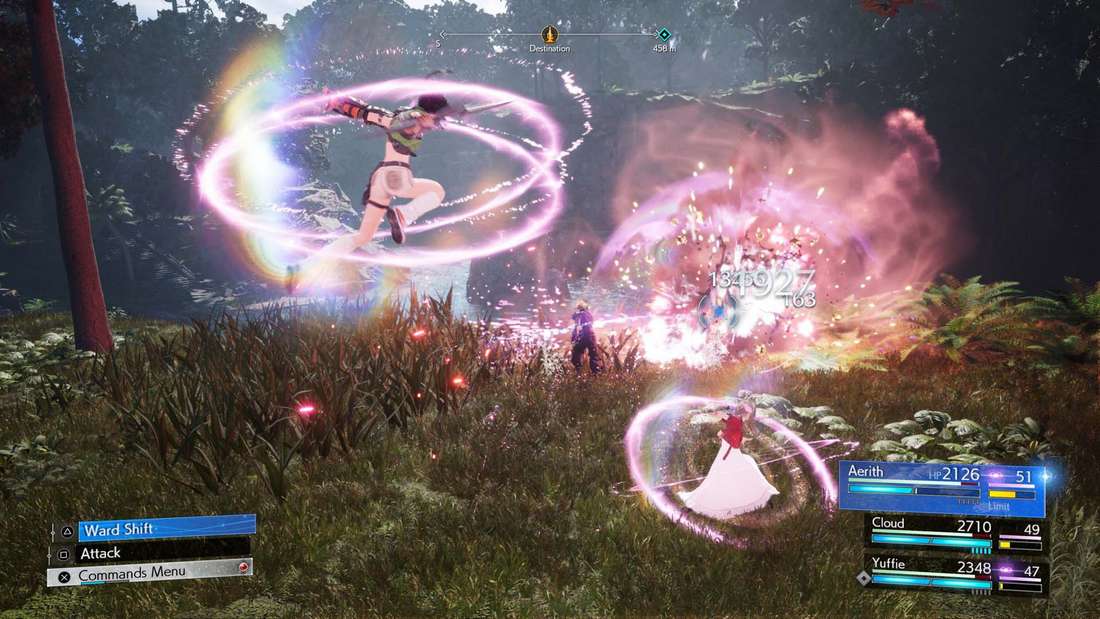 Final Fantasy VII Rebirth emerges as a towering achievement in the realm of modern Japanese Role-Playing Games (JRPGs), a direct and ambitious sequel to 2020’s critically acclaimed Final Fantasy VII Remake. Exclusively launched for the PlayStation 5, this title by Square Enix takes players on an expansive journey through a world brimming with untold stories, breathtaking landscapes, and an emotional narrative that both honors and diverges from its legendary predecessor. With its release, Rebirth has ignited fervent discussions among long-time fans and newcomers alike, scrutinizing its bold artistic choices, intricate gameplay mechanics, and how it reimagines one of gaming’s most cherished sagas.
This review delves deep into what makes Final Fantasy VII Rebirth a potentially definitive gaming experience for the current console generation, exploring its narrative complexity, groundbreaking combat system, vast open-world exploration, and technical prowess. We aim to provide timely insights into its successes and challenges, helping potential players understand the immense scope and meticulous detail Square Enix has poured into this monumental undertaking. From its meticulously crafted environments to its deeply resonant character arcs, Rebirth is not merely a game; it is an epic narrative adventure that redefines expectations for a sequel and a remake.
Expanding the Narrative Universe: Story and Characters
The narrative core of Final Fantasy VII Rebirth continues immediately after the events of Remake, with Cloud Strife and his companions — Tifa, Aerith, Barret, and Red XIII — venturing beyond Midgar into the expansive world. The overarching plot sees the group pursuing Sephiroth, grappling with their own pasts, and confronting the mysteries of the planet’s Lifestream. What truly sets Rebirth apart is its audacious approach to storytelling. While it adheres to the foundational beats of the original Final Fantasy VII, it consistently introduces new twists, character developments, and philosophical questions that keep veterans on the edge of their seats.
Characters, both familiar and new, receive significant attention. Each party member’s personal journey is intricately woven into the main quest, offering deeper insights into their motivations and fears. The relationships between the protagonists are explored with greater nuance, particularly the evolving dynamics within the core group. Key narrative moments are often punctuated by powerful emotional beats, ranging from heartwarming camaraderie to profound tragedy, ensuring that players remain invested in the fates of these iconic figures. The pacing, while occasionally sprawling due to the sheer volume of content, masterfully balances moments of intense action with quiet introspection, allowing the complex lore of Gaia to unfold organically.
 Revolutionized Combat and Deep RPG Mechanics
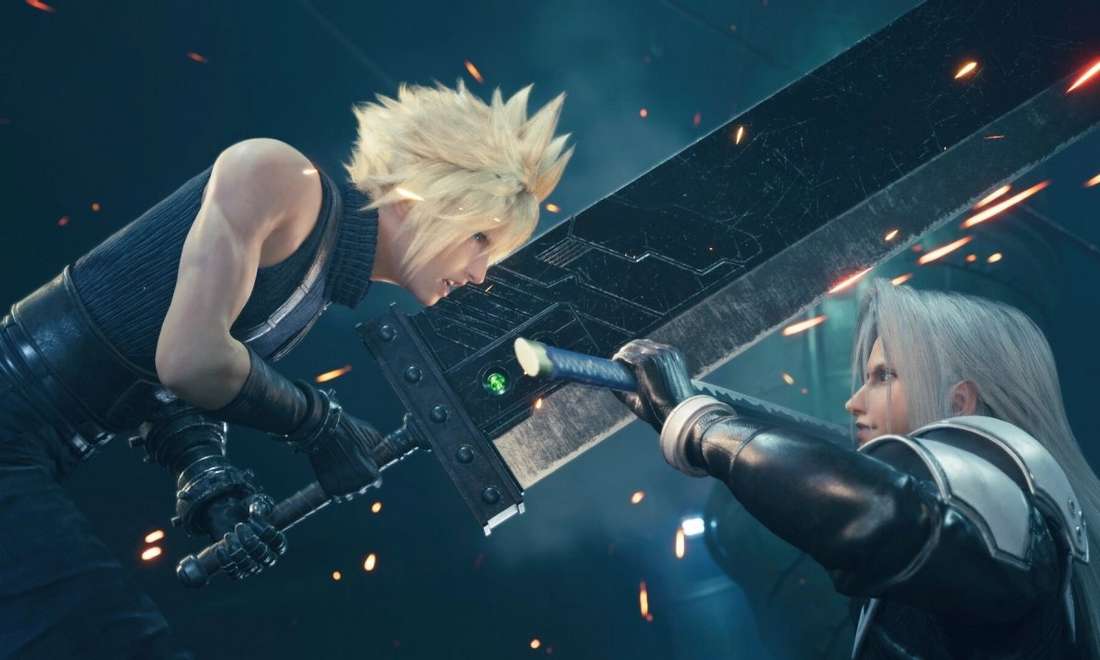
The combat system in Final Fantasy VII Rebirth builds upon the action-oriented hybrid approach introduced in Remake, refining it to an almost perfect state. Players seamlessly switch between real-time action and tactical command-based decisions, allowing for both frantic button mashing and strategic ability usage. Each character possesses a unique playstyle, encouraging players to experiment and master their varied arsenals. Cloud’s balanced swordplay, Tifa’s rapid-fire martial arts, Aerith’s magical prowess, and Barret’s heavy artillery all feel distinct and impactful.
A significant new addition is the Synergy Skills and Synergy Abilities system, which allows two characters to perform powerful combined attacks. These abilities are not only visually spectacular but also strategically vital, offering various effects from breaking enemy defenses to healing the party. This system adds another layer of depth, fostering a dynamic where players are constantly thinking about party composition and synergistic opportunities. Materia returns with its robust customization, allowing players to tailor their characters’ magical and ability loadouts. The vast array of weapons, armor, and accessories, each with unique upgrade paths and passive skills, further enhances the RPG progression, ensuring players can craft builds perfectly suited to their preferred playstyle and challenging encounters.
An Expansive World to Explore: Gaia Unveiled
One of Rebirth’s most significant departures from its predecessor is its embracing of a semi-open-world structure. Moving beyond the linear corridors of Midgar, players are now free to explore vast regions like the Grasslands, Junon, and Costa del Sol. This expansive design is not merely for show; it’s teeming with activities, side quests, and secrets that enrich the game’s lore and extend its playtime significantly. The traversal options, including the iconic Chocobos, feel natural and are crucial for navigating the diverse terrains.
The side content in Rebirth is remarkably robust and often far exceeds typical JRPG fetch quests. Many side quests offer meaningful character interactions, delve into the histories of towns and regions, or provide unique gameplay challenges that reward exploration. From engaging mini-games like the addicting Queen’s Blood card game to challenging combat arenas and environmental puzzles, there’s always something new to discover. This commitment to deep and varied side content ensures that exploration feels rewarding and rarely repetitive, contributing immensely to the game’s overall value proposition. The sheer scale and detail of the world are a testament to Square Enix’s ambition, making Gaia feel like a living, breathing entity.
Visuals, Audio, and Performance: A PS5 Showcase
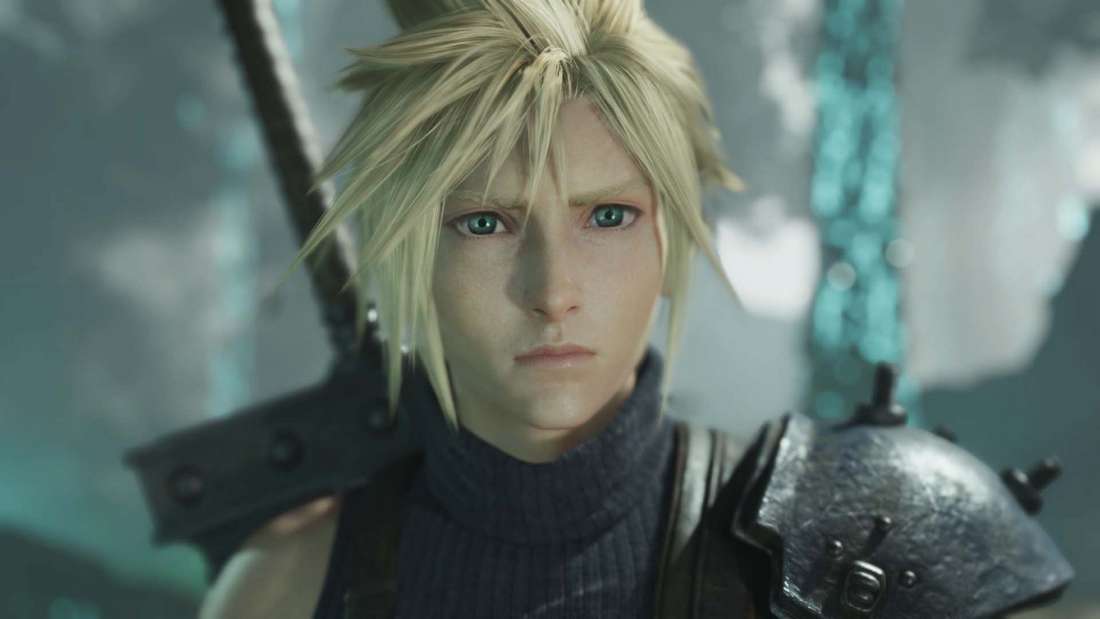
Visually, Final Fantasy VII Rebirth is nothing short of stunning. Leveraging the power of the PlayStation 5, the game delivers breathtaking environments, incredibly detailed character models, and spectacular particle effects during combat. From the lush greenery of the Grasslands to the bustling streets of Junon, each location is rendered with meticulous care, immersing players in its vibrant world. The facial animations are particularly noteworthy, conveying a wide range of emotions that heighten the narrative impact of key scenes.
The audio design is equally impressive. Masashi Hamauzu, Mitsuto Suzuki, and Takeharu Ishimoto, building upon Nobuo Uematsu’s timeless compositions, deliver an orchestral masterpiece that seamlessly blends classic themes with new, stirring arrangements. The soundtrack perfectly complements the game’s various moods, from epic battle anthems to melancholic character themes. The voice acting, available in both English and Japanese, is uniformly excellent, with the cast delivering nuanced performances that breathe life into their respective characters. While the game generally performs well, players might experience occasional frame rate dips in certain graphically intensive open-world areas, particularly when toggling between performance and fidelity modes. However, these minor technical hiccups do little to detract from the overall polished experience.
 Conclusion: A New Benchmark for Gaming
Final Fantasy VII Rebirth is more than just a sequel; it’s a bold reimagining that stands as a testament to Square Enix’s creative vision and technical prowess. It takes the beloved characters and world of Final Fantasy VII and expands them in ways that feel both familiar and refreshingly new. The game’s intricate narrative, deeply satisfying combat, expansive world filled with meaningful content, and stunning presentation culminate in an experience that is nothing short of monumental.
- Pros:
- Deep, engaging narrative that expands on the original.
- Refined and highly customizable combat system.
- Vast, rewarding open-world exploration.
- Stunning graphics and an unforgettable soundtrack.
- Excellent character development and voice acting.
- Cons:
- Occasional minor frame rate fluctuations in demanding areas.
- Pacing can feel slow during some exposition-heavy segments.
For fans of the original and newcomers looking for an epic JRPG experience, Final Fantasy VII Rebirth is an essential purchase for the PlayStation 5. It sets a new benchmark for narrative ambition and gameplay depth, solidifying its place as one of the most important game releases of the current generation. It’s a compelling journey that honors its legacy while bravely forging its own path, offering countless hours of unforgettable adventure and proving that some stories, when retold with such care and creativity, can truly achieve a rebirth.